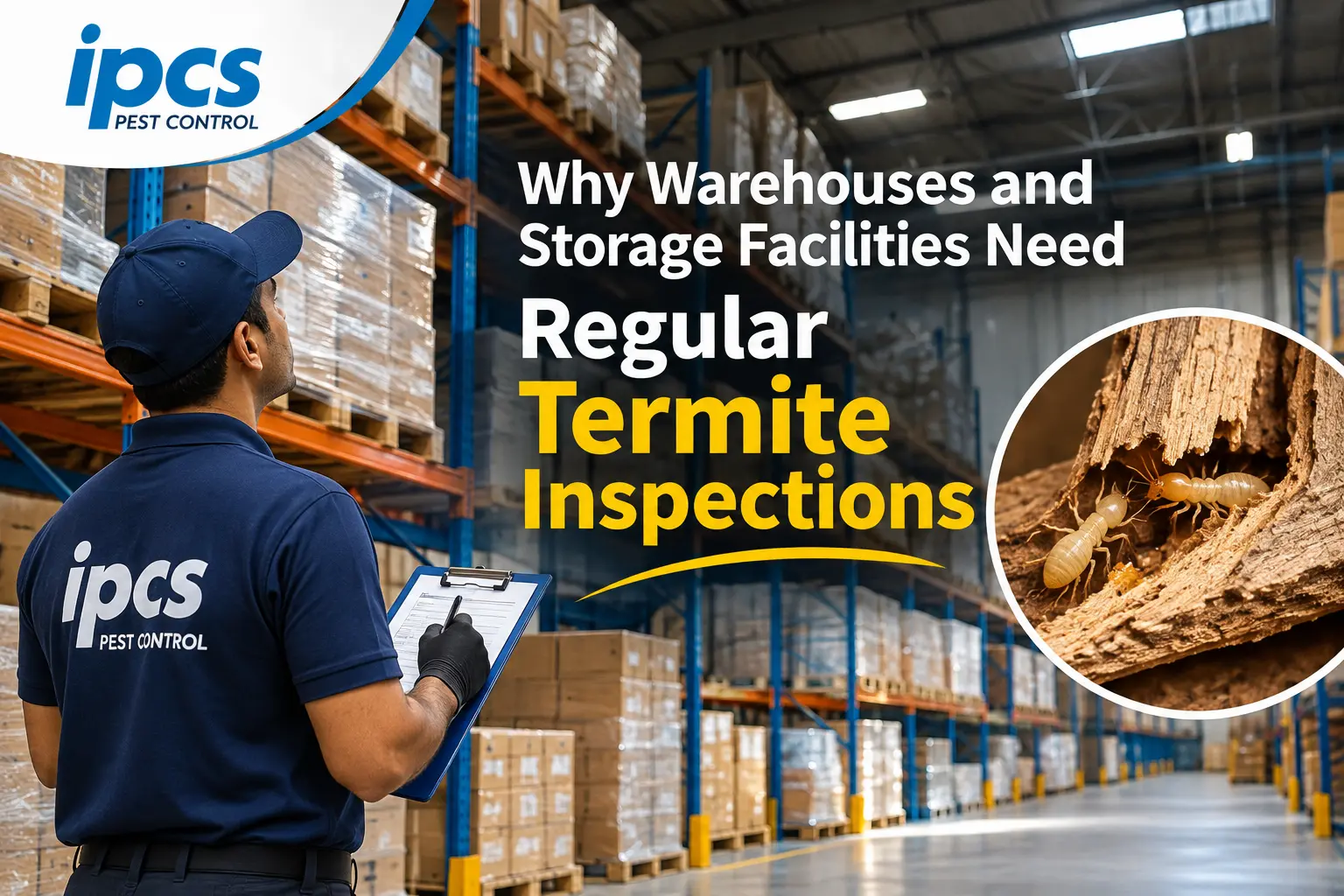
Warehouses and storage facilities are designed to keep goods, equipment, packaging materials, and business inventory protected. However, one problem that often goes unnoticed in these spaces is termite activity.
Unlike residential properties, warehouses may contain large quantities of cardboard packaging, wooden pallets, paper-based materials, storage racks, and other items that can attract termites. Since many storage areas are not disturbed regularly, termite activity can continue unnoticed until visible damage appears.
For businesses in Jaipur, regular termite inspections can help identify early warning signs, protect valuable materials, and reduce the risk of expensive repairs or inventory damage.
Why Are Warehouses Vulnerable to Termite Infestations?
Termites feed on cellulose, a natural material found in wood, paper, cardboard, and several other plant-based products. Warehouses often contain these materials in large quantities, which can create favourable conditions for termite activity.
Some common factors that may increase the risk include:
- Wooden pallets and packaging: Wooden storage pallets and cardboard cartons can provide food sources for termites.
- Moisture problems: Water leakage, damp flooring, and plumbing issues can create conditions that attract certain termite species.
- Undisturbed storage areas: Goods stored for long periods may conceal termite activity.
- Building gaps and concealed spaces: Cracks, expansion joints, and openings around pipes may provide access to different parts of a structure.
- Poorly managed outdoor areas: Wood waste, discarded cardboard, and debris close to warehouse walls can create additional risks.
Not every warehouse will experience these conditions, but identifying them during routine inspections can help businesses take preventive action.
5 Areas That Should Be Checked During a Warehouse Termite Inspection
A proper inspection should cover more than just visible wooden structures. Termites can remain hidden behind stored goods, inside building components, and around areas that receive little attention.
1. Wooden Pallets and Storage Materials
Wooden pallets are commonly used to move and store goods. If they are already infested or remain in contact with damp surfaces, they may become a source of termite activity.
Inspect pallets for:
- Mud tubes or earthen deposits
- Hollow or weakened wooden sections
- Unusual damage along edges
- Signs of discarded termite wings
Damaged pallets should be isolated and assessed rather than immediately mixed with other stock.
2. Cardboard Boxes and Packaging Materials
Many warehouses store products in cardboard cartons for weeks or months. Since cardboard contains cellulose, it can be affected by termites, particularly when stored in damp or poorly ventilated areas.
Pay attention to cartons kept directly on floors, especially near walls and corners. Damaged packaging, unexplained holes, or mud-like deposits should be investigated.
3. Walls, Floors and Structural Joints
Termites may enter buildings through concealed routes and remain active behind surfaces.
During inspection, pay attention to:
- Cracks near floor-wall junctions
- Expansion joints
- Areas around plumbing openings
- Wooden door frames
- Damp corners and concealed spaces
Mud tubes along walls or foundations can be an important warning sign of subterranean termite activity.
4. Wooden Doors, Partitions and Office Areas
Warehouses often include administrative offices, wooden partitions, cabinets, doors, and other interior fixtures.
These areas may receive less attention during regular warehouse operations. Inspect wooden surfaces for blistering, hollow sounds, damaged paint, or sections that appear unusually weak.
5. Loading Bays and External Perimeters
Loading areas and building boundaries should also be included in an inspection.
Look for moisture accumulation, discarded wooden materials, soil contact with wooden structures, and visible mud tubes near exterior walls. These observations can help identify conditions that may contribute to termite activity.
How Can Termites Affect Warehouse Operations?
Termite damage is not limited to wooden furniture. In a commercial storage environment, an infestation may affect several aspects of business operations.
Damage to stored materials: Cardboard packaging, wooden pallets, and paper-based products may become damaged or unsuitable for use.
Additional maintenance expenses: Damaged wooden fixtures, doors, partitions, and other structures may require repair or replacement.
Inventory concerns: If termite activity affects packaging or stored products, businesses may need to inspect, isolate, or replace affected stock.
Operational disruption: Inspection, cleaning, repairs, and treatment may require temporary changes to storage arrangements or warehouse activities.
Property maintenance risks: If structural or concealed areas are affected, identifying the extent of the damage may require a more detailed professional assessment.
Early detection can help businesses address these problems before they become more difficult to manage.
Practical Steps to Reduce Termite Risks in Storage Facilities
Regular professional inspections are important, but warehouse management practices also play a role in reducing termite risks.
Here are some useful preventive measures:
- Keep wooden pallets and cardboard cartons away from damp floors.
- Repair leaking pipes and address water seepage promptly.
- Avoid unnecessary accumulation of discarded wooden materials and cardboard.
- Maintain clear access to walls and corners for inspection.
- Check incoming wooden pallets and packaging for visible signs of infestation.
- Avoid storing materials directly against walls wherever practical.
- Monitor areas that remain closed or undisturbed for long periods.
- Maintain records of inspections, maintenance issues, and previous termite activity.
These measures cannot guarantee that termites will never enter a warehouse, but they can help reduce favourable conditions and make early detection easier.
When Should a Business Arrange Professional Termite Inspection?
Businesses should consider professional inspection when they notice mud tubes, damaged wooden materials, discarded wings, hollow-sounding timber, or repeated signs of termite activity.
An inspection may also be useful when a warehouse has a history of termite problems, recurring moisture issues, or large quantities of vulnerable wooden and paper-based materials.
Professional termite control begins with understanding the property, identifying affected areas, and assessing the extent of the infestation. The appropriate treatment depends on the building structure, termite activity, and the areas requiring attention.
For businesses looking for professional termite control services in Jaipur, IPCS Pest Control provides termite treatment solutions for residential and commercial properties. A professional assessment can help determine suitable treatment options for warehouses, storage facilities, offices, and other business premises.
Protect Your Warehouse Before Termite Damage Spreads
Termite problems in warehouses can remain hidden behind stored goods, packaging materials, and building structures. By the time visible damage appears, the infestation may already have affected multiple areas.
Regular inspections, proper storage practices, moisture management, and timely professional treatment can help businesses maintain better control over termite risks.
If you manage a warehouse or commercial storage facility in Jaipur, make termite inspection part of your regular property maintenance plan. Taking action early can help protect your inventory, infrastructure, and day-to-day business operations.
IPCS Pest Control Jaipur offers professional termite management solutions for businesses and property owners looking to protect their premises from termite damage.